Nicola Ellis
Exercises in knowing exhibition, HOME

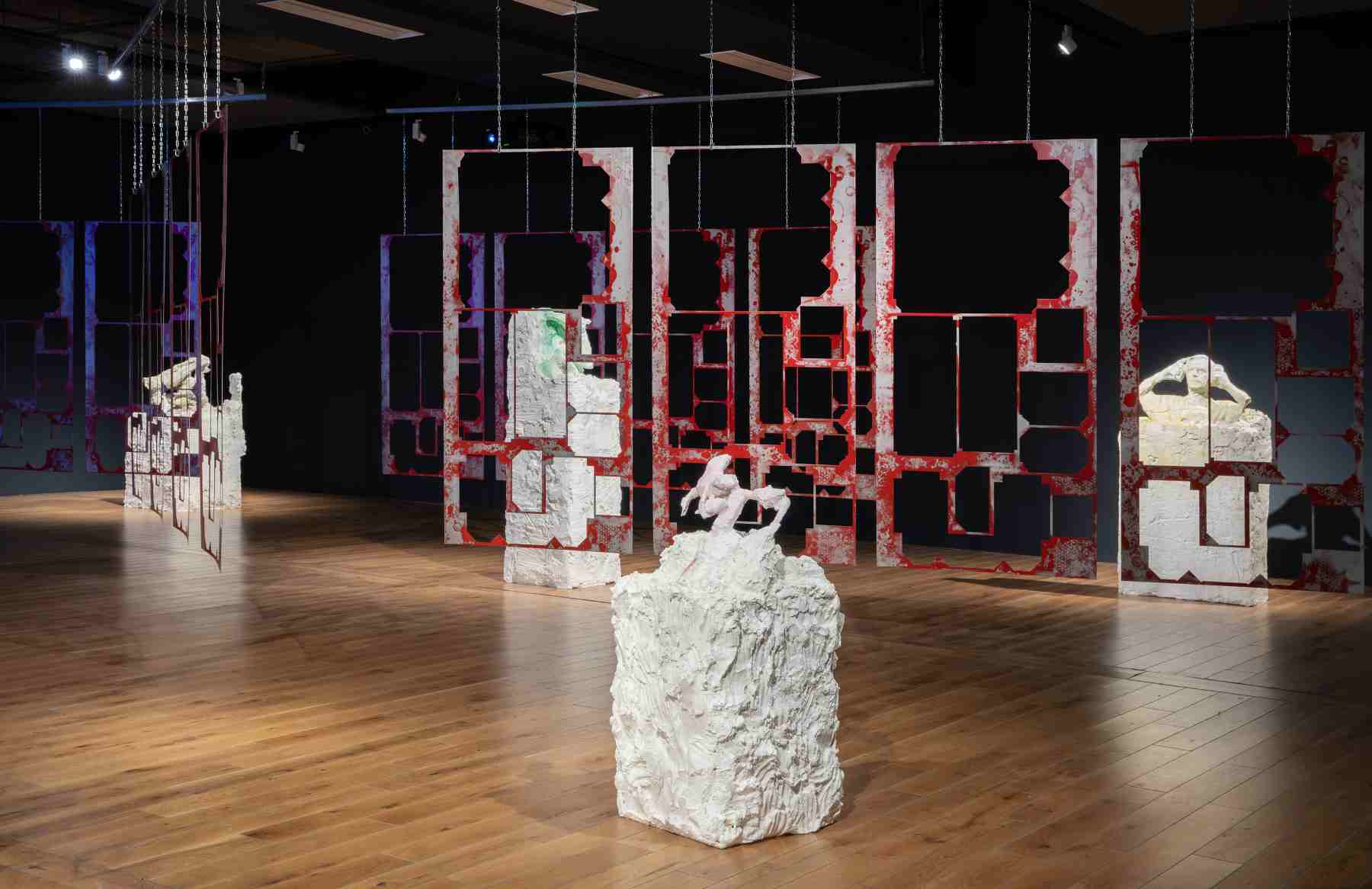
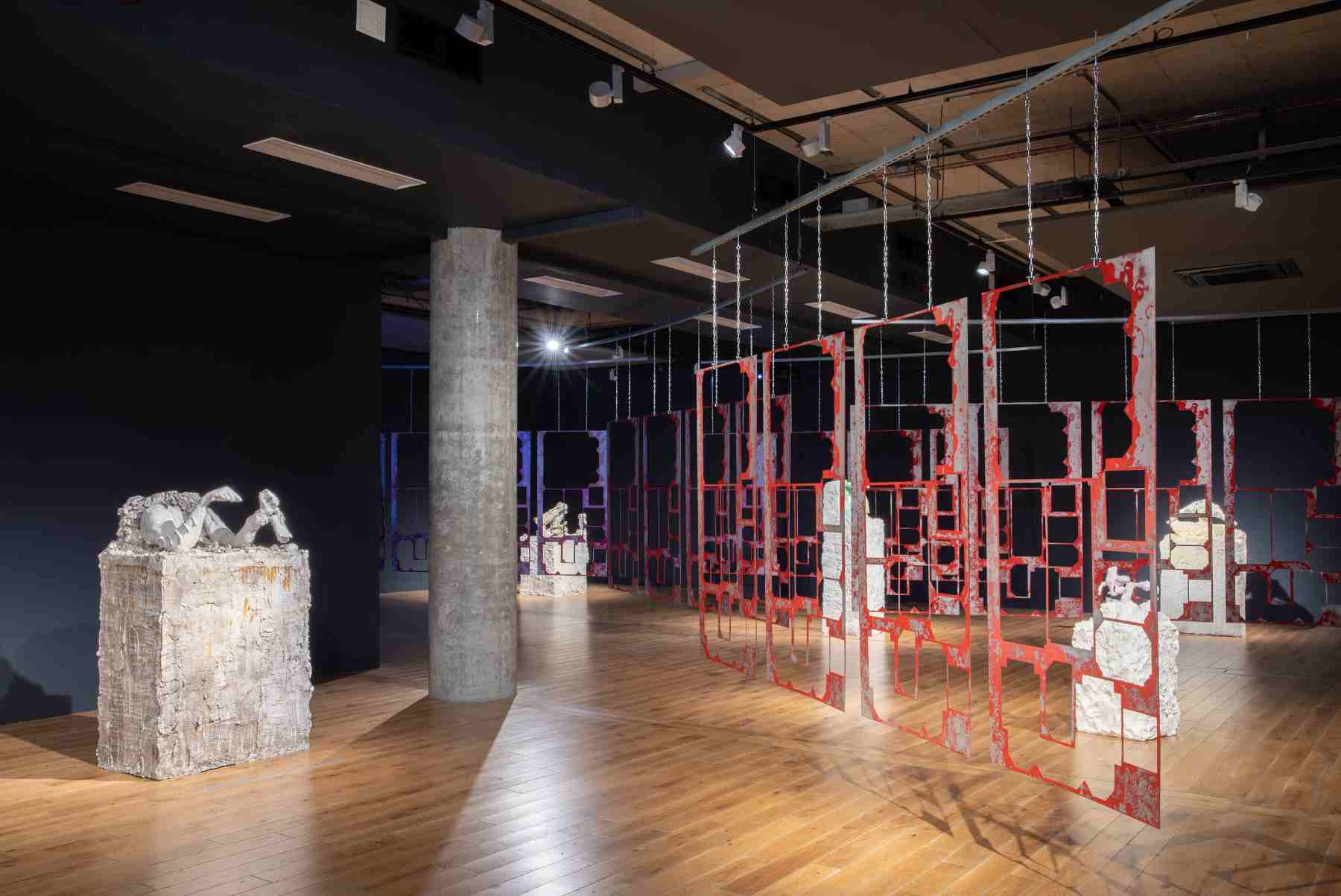
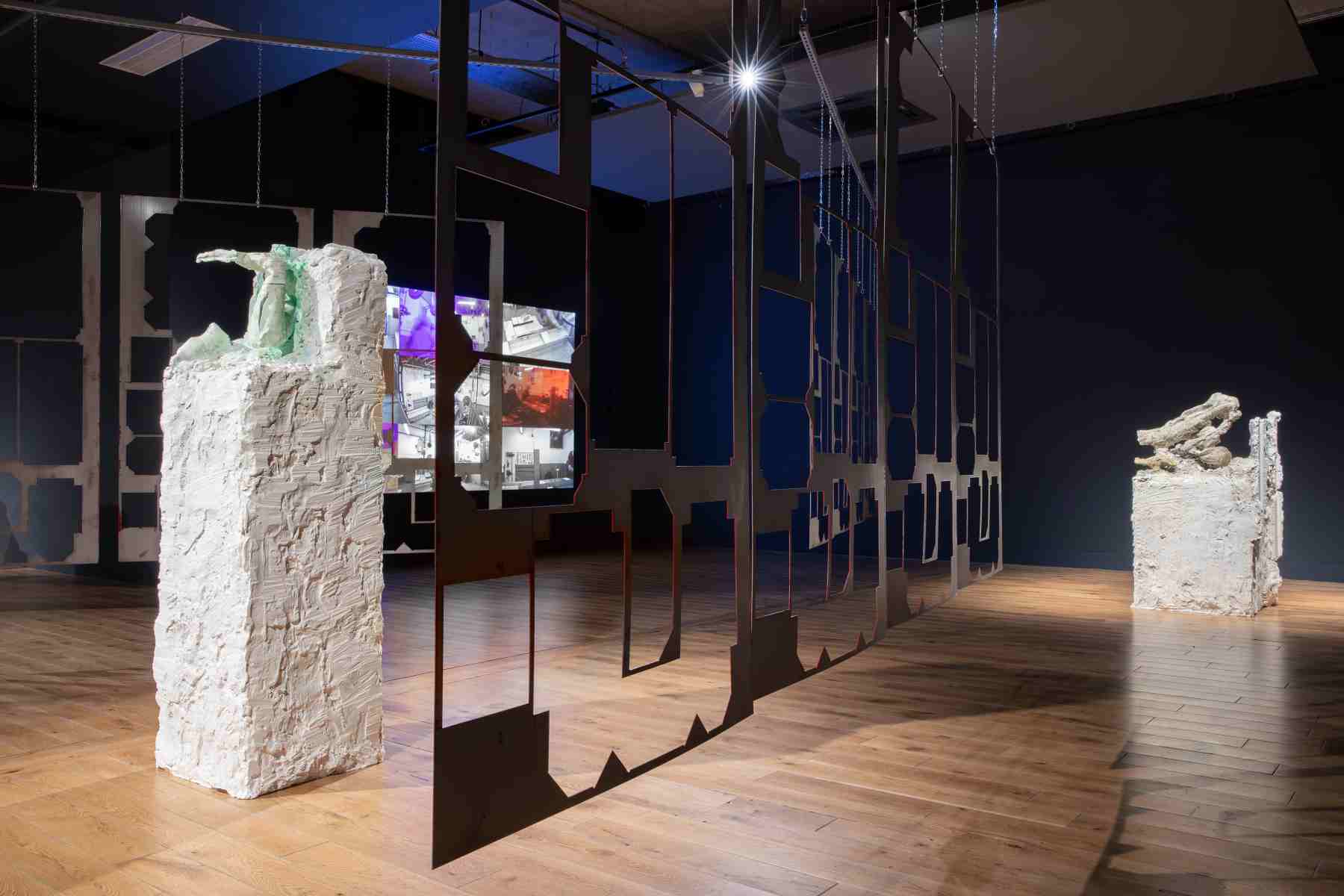
Nicola Ellis: Exercises in knowing<br> HOME, Manchester <br> <br>Exercises in Knowing is an installation which brings together sculpture, moving image and reclaimed industrial materials developed through my long-term residency at Ritherdon & Co. Ltd, a steel enclosure manufacturer in Lancashire. 
<br> <br>
Together, the works celebrate the skill, care and tacit knowledge embedded in manual labour, bringing attention to the overlooked work that protects and sustains the systems we rely on every day. Exercises in Knowing brings together sculpture, moving image and reclaimed industrial materials developed through my residency at Ritherdon & Co. Ltd. The installation celebrates the skill and tacit knowledge behind the overlooked labour that protects and sustains the systems we rely on every day. <br><br> This work has been shaped by my long-term residency at Ritherdon & Co. Ltd, a steel enclosure manufacturer in Darwen, Lancashire, where I have been in residence since 2018. The relationships I have built with employees, and the trust we have in each other, are central to the direction of the work I make on site, combining with tacit skills, shared knowledge, the constant evolution of factory systems, and factory humour. Working directly within an industrial context draws on my own upbringing in a working-class family in which everyone worked in manufacturing, machine operation and fabrication. The handling of tools, problem-solving through making, and knowledge passed between generations have all influenced how I approach sculpture and installation. <br> <br>I am interested in the kinds of expertise that are acquired through repetition and experience but often go unnoticed or unrecognised. I am interested in bringing these industrial references together with the histories of classical sculpture, early industrial photography and contemporary installation, using digital technologies including 3D scanning, video and industrial fabrication. Rather than treating manufacturing as a subject to observe from the outside, I use the factory itself as a place to think, experiment, collaborate and produce alternative products from the factory line. <br> <br>Exercises in Knowing grew from a desire to make the skill, care and creativity embedded within manual labour visible, while recognising the people whose work quietly supports the infrastructure that shapes our everyday lives.


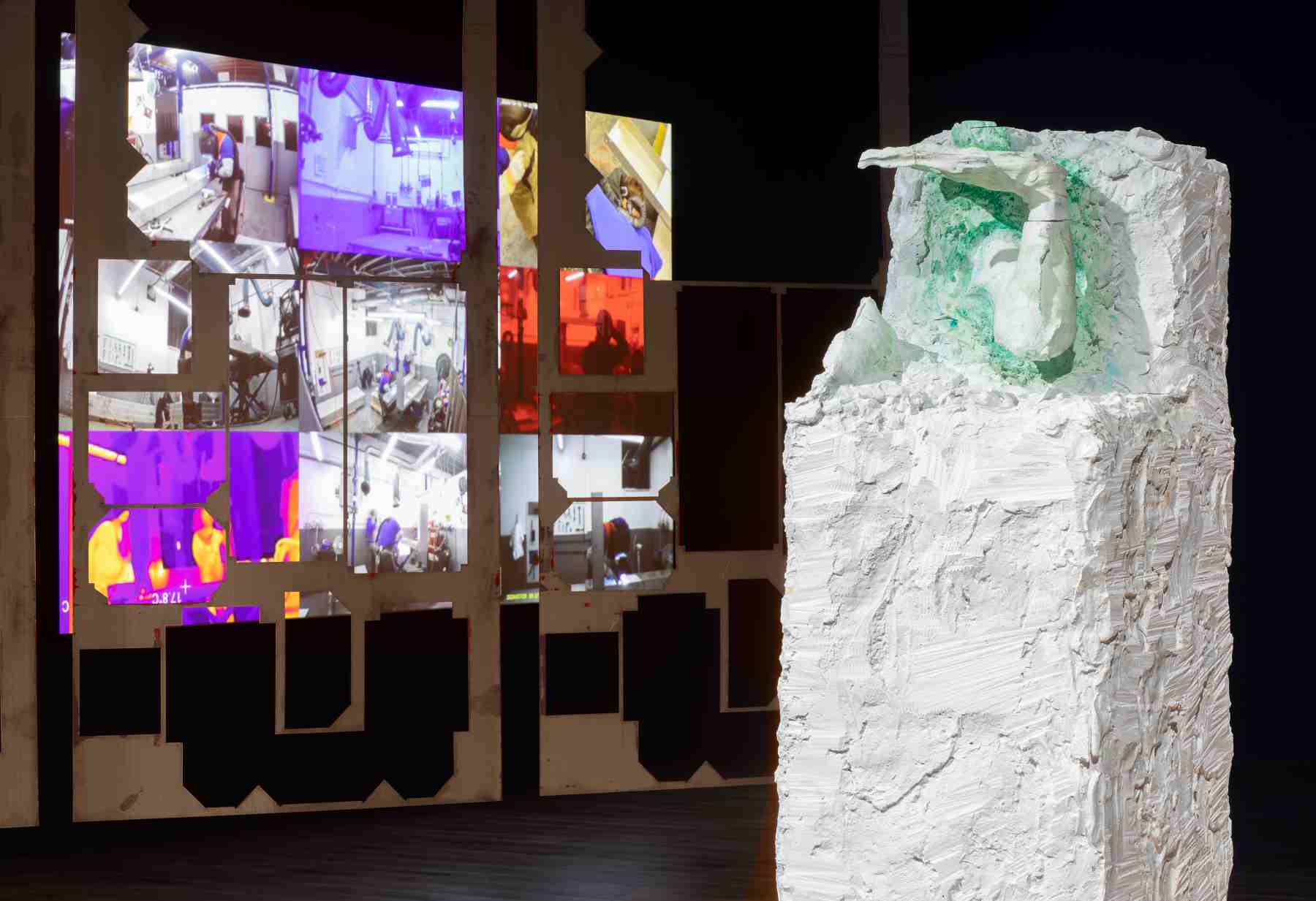
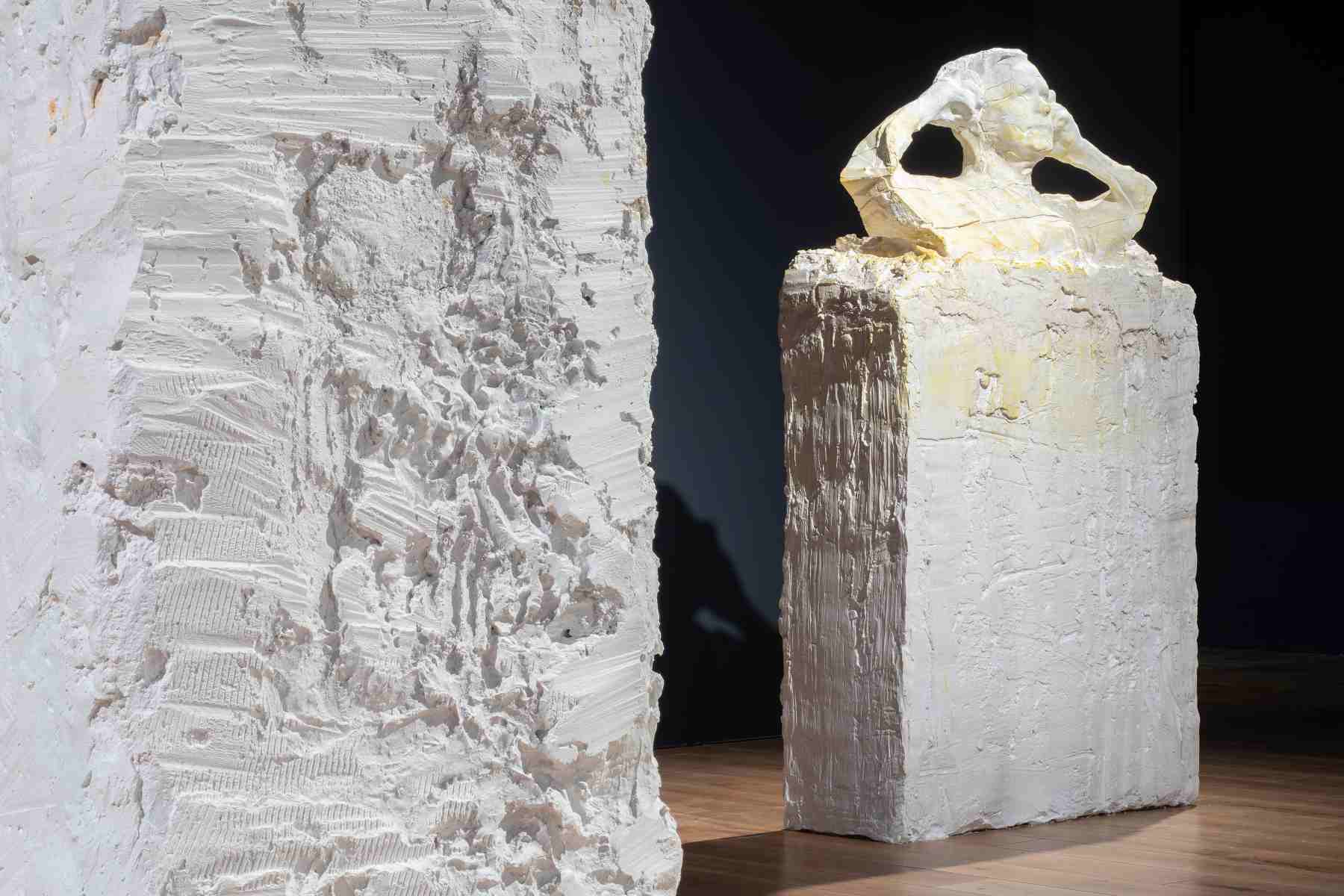
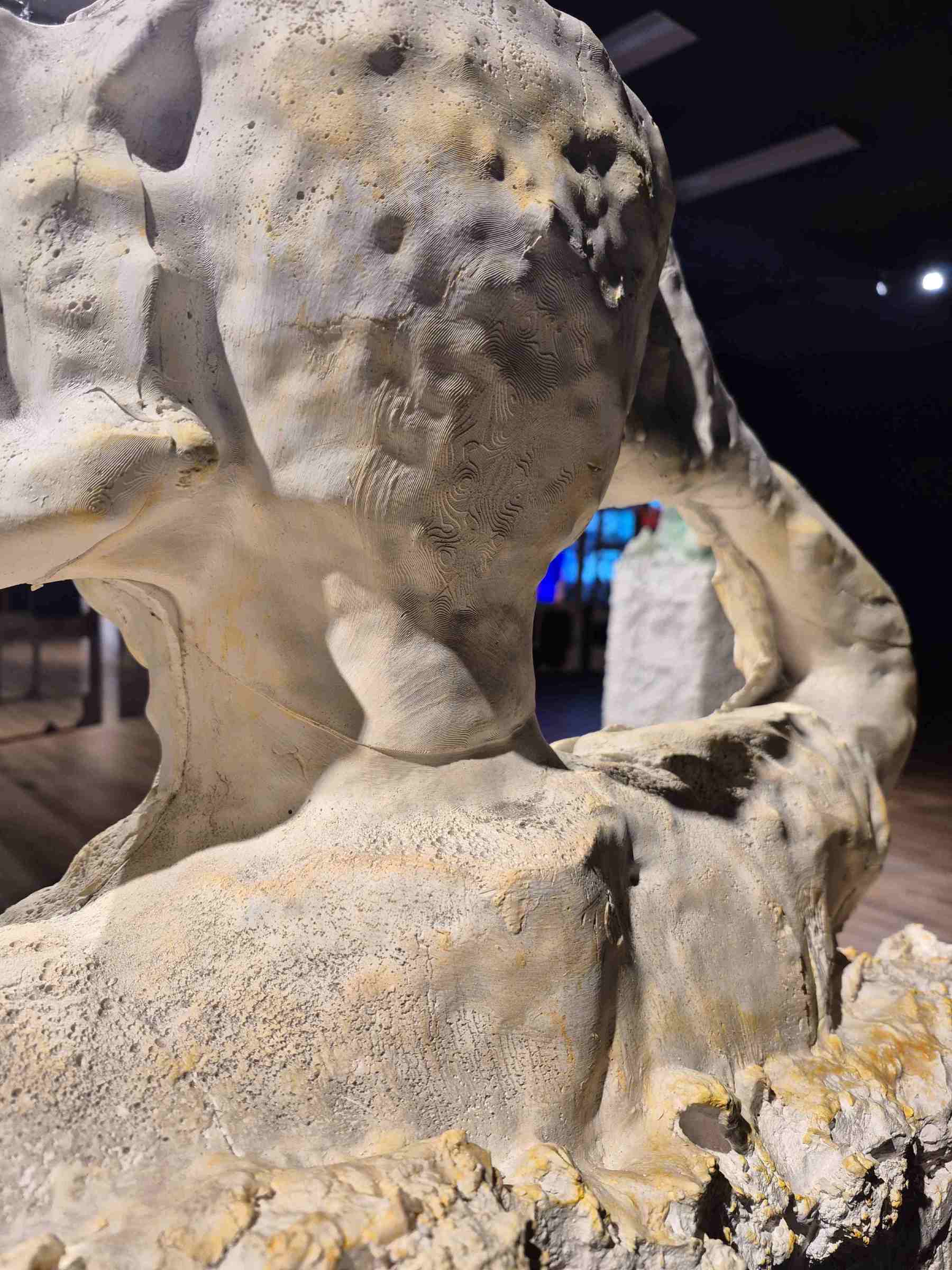
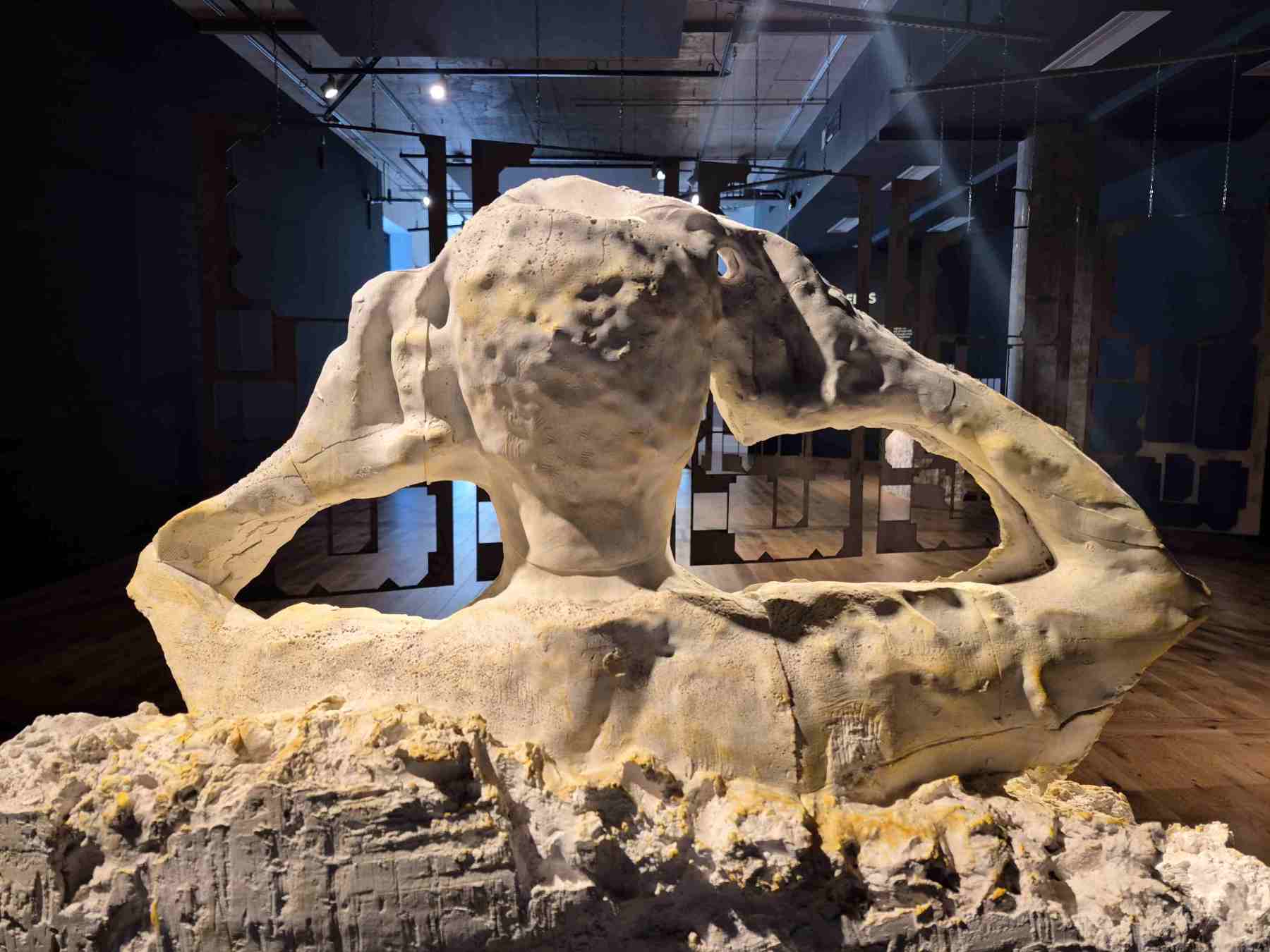
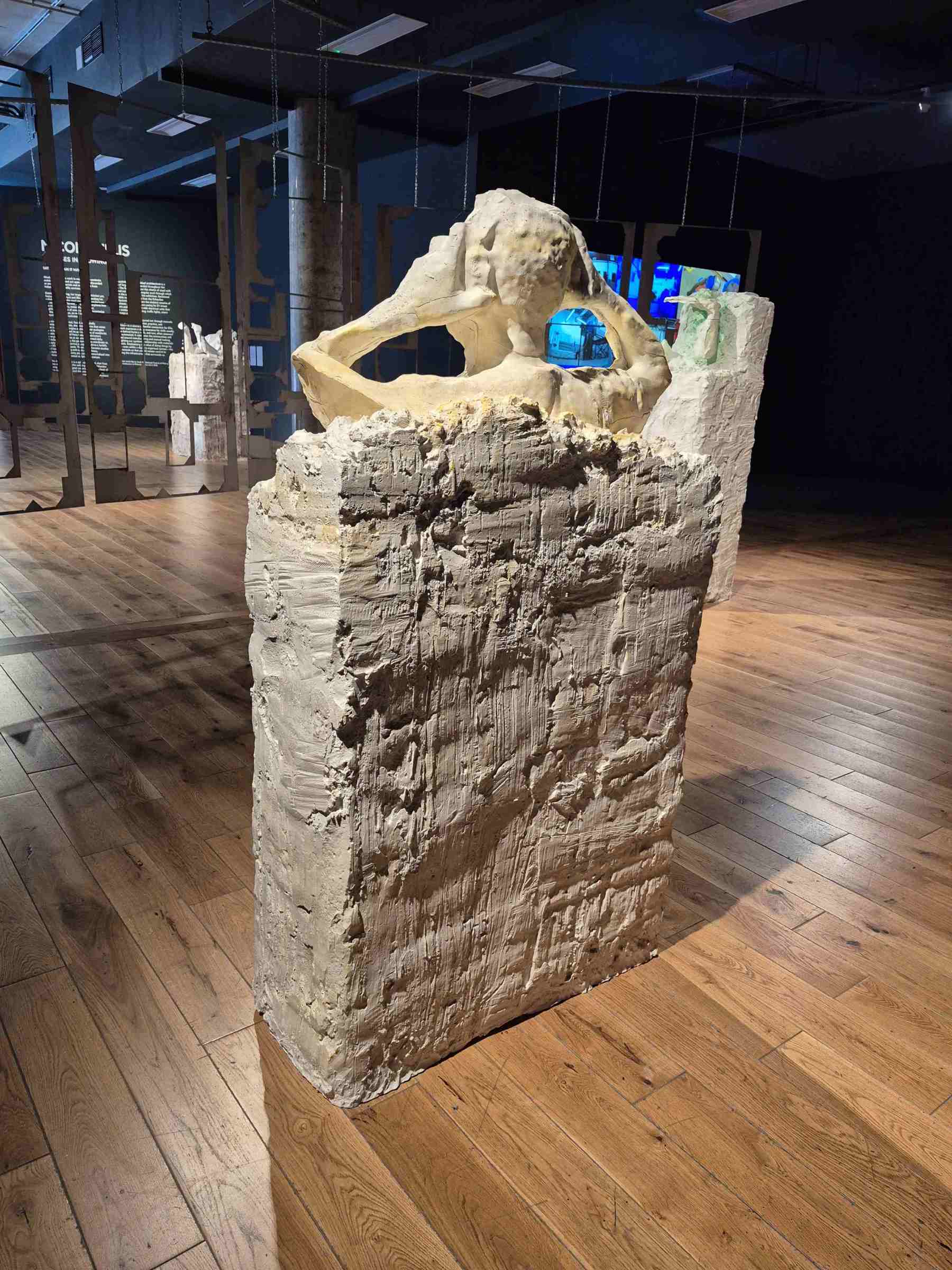
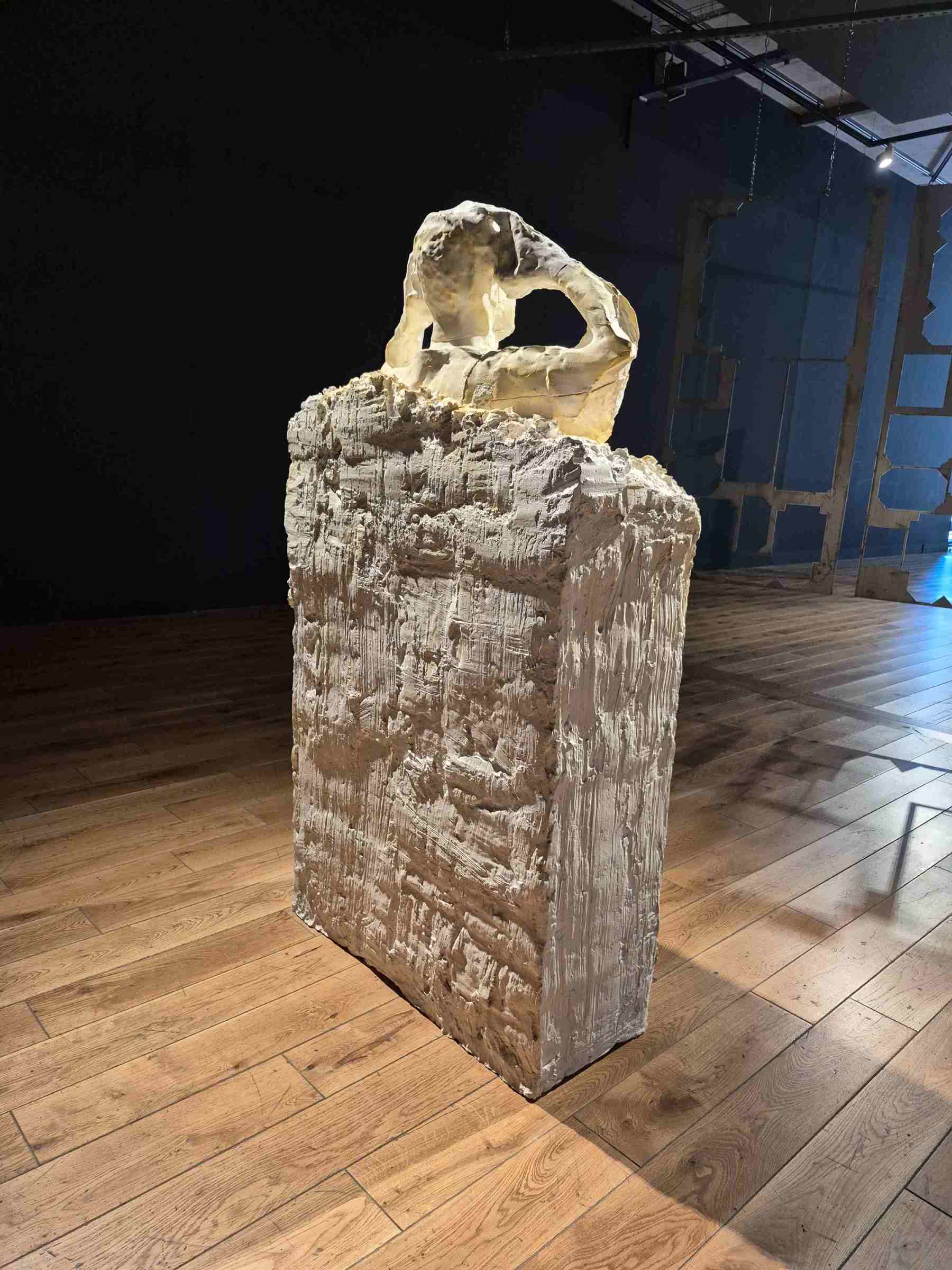
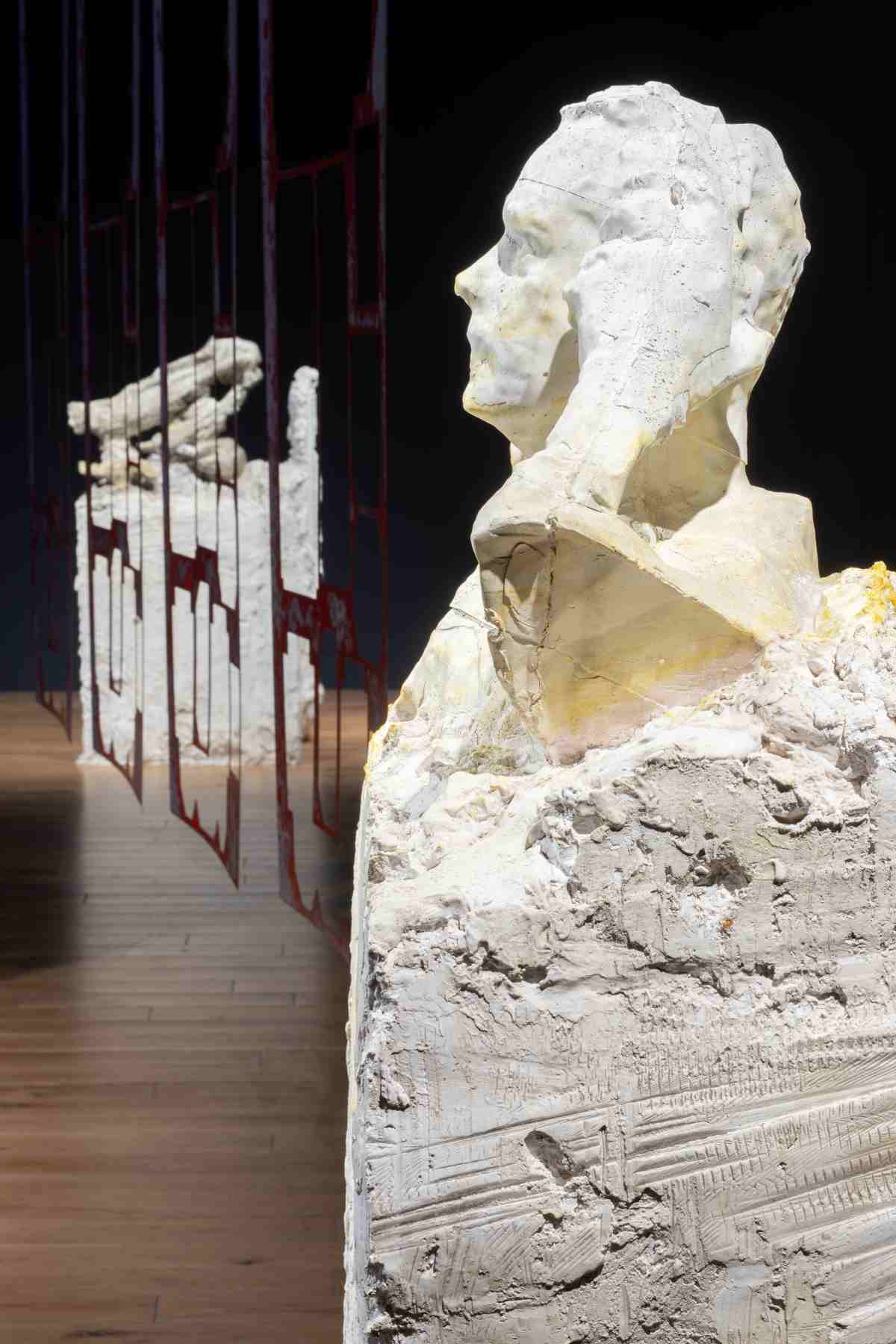
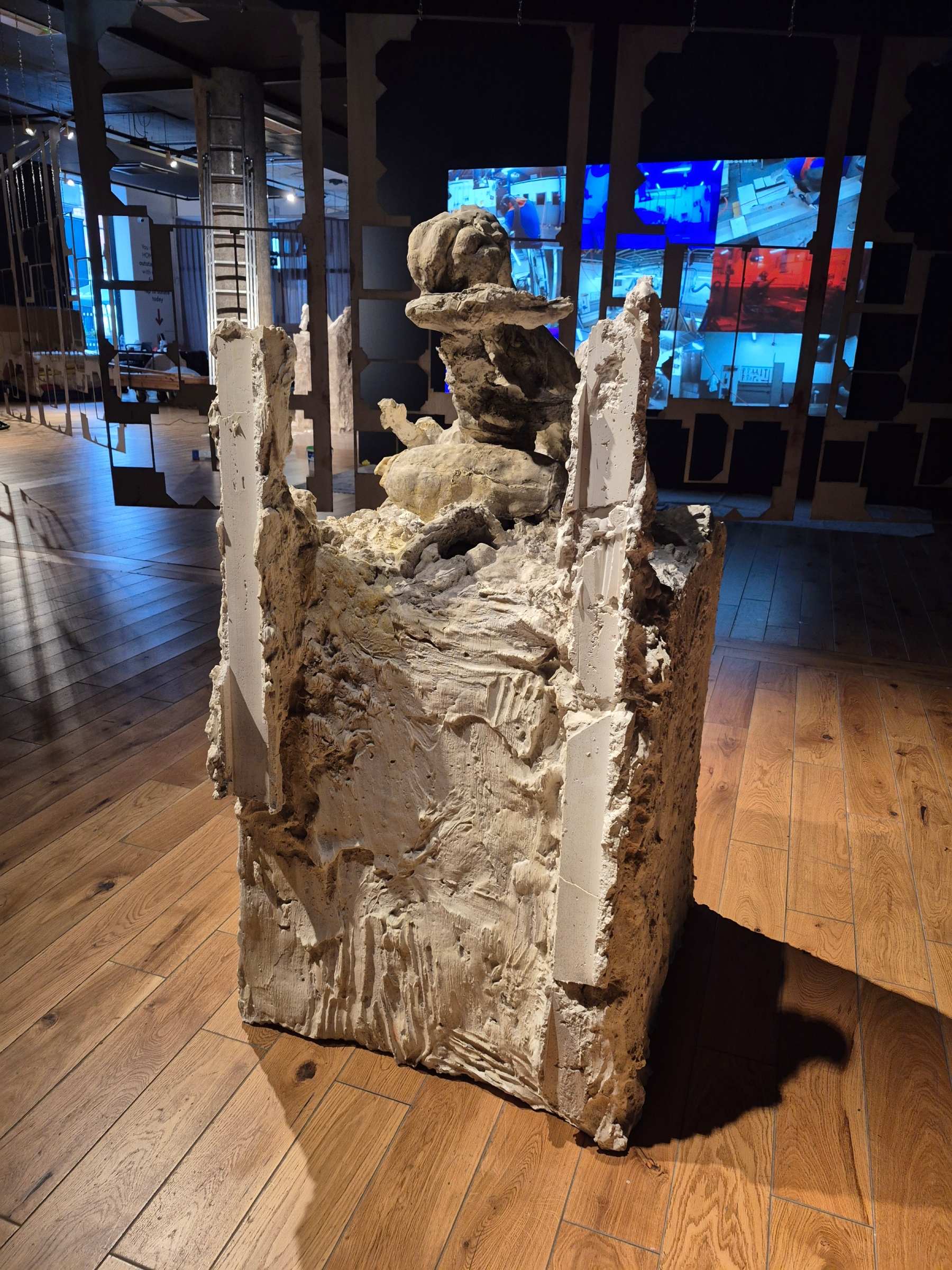
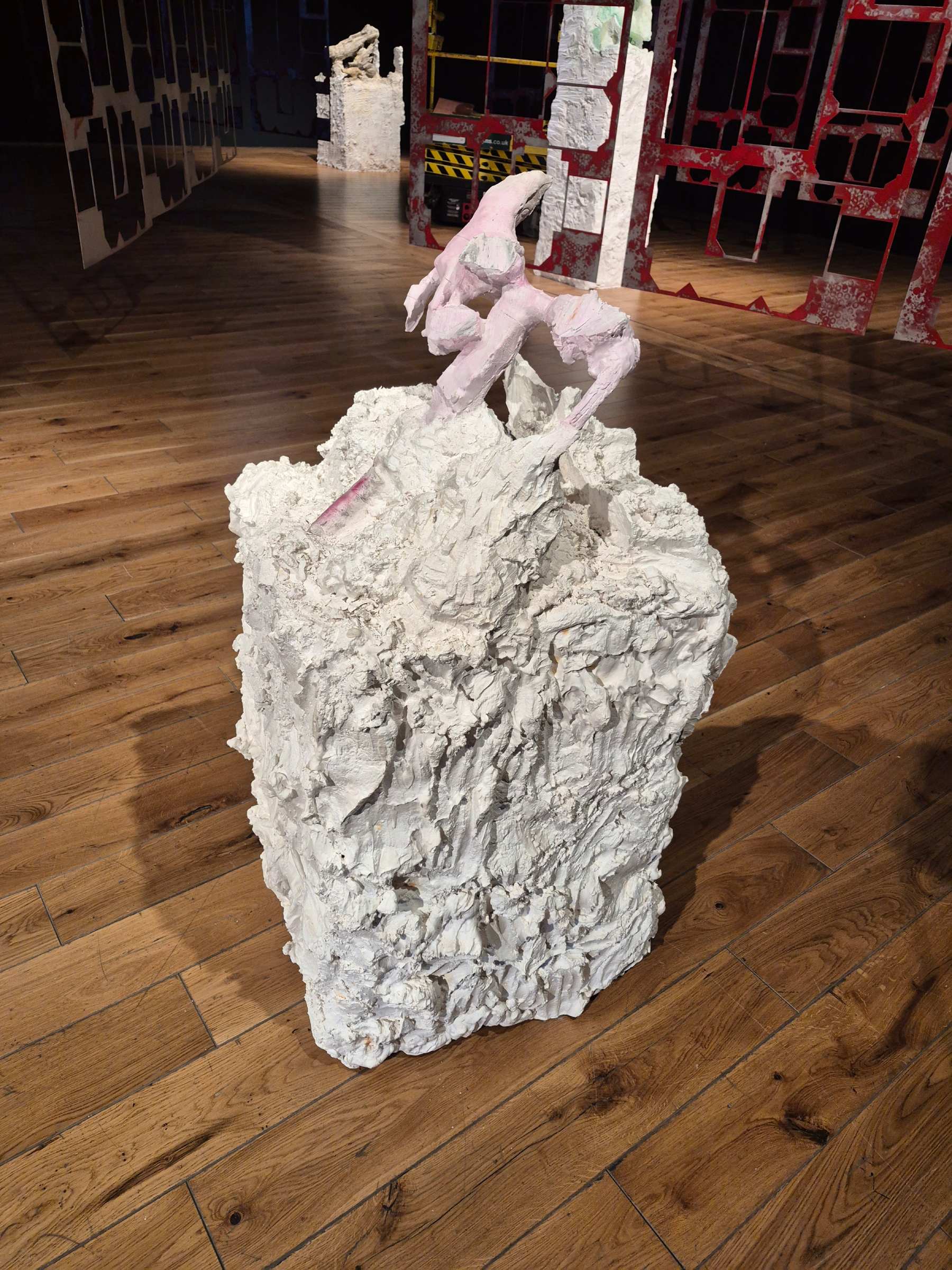
(Matt)<br /> Chemically hardened plaster and various residues from the Ritherdon factory context<br /> 170cm × 70cm × 1105cm<br /> 2026<br /> Image credit: @michaelpollardphotography<br /> <br>(Matt) is one of five plaster elements of the installation in which fabricators perform the everyday gestures of their labour. Emerging from plinth-like forms, these studies of hands and arms interacting with tools, materials and machines capture dexterity, coordination and control — immortalised in plaster in a manner that evokes classical sculpture and statuary.<br /> <br /> Each sculpture began as a 3D scan made on the Ritherdon factory floor. The lighting conditions — designed for manufacturing rather than digital capture — introduced distortions and glitches into the scans. These artefacts were retained as the files were translated into 3D prints and then cast in plaster. Through each stage of translation, slippages and material irregularities accumulated, embedding the conditions of production into the final works.<br /> <br /> The sculptures are further saturated with liquids sourced directly from the factory environment. In Matt, arms poised to connect a pressurised airline to a tool are coated in a solution containing metal grindings dredged from the grind shop extractor. Across the wider series: Nic, operating a pump truck handle, is steeped in pink industrial soap; Daniel, lifting a steel component, is infused with pine disinfectant; Jan, captured putting on ear defenders, is treated with hydraulic oil, rust water and steel residue; Pete, operating a forklift truck, carries traces of hydraulic fluid and general factory grime.<br /> <br /> Each work becomes both representation and material record — holding within it the physical and chemical atmosphere of the place from which it came.

(Matt)<br> Chemically hardened plaster and various residues from the Ritherdon factory context<br> 170cm × 70cm × 1105cm<br> 2026<br> Image credit: @michaelpollardphotography<br>

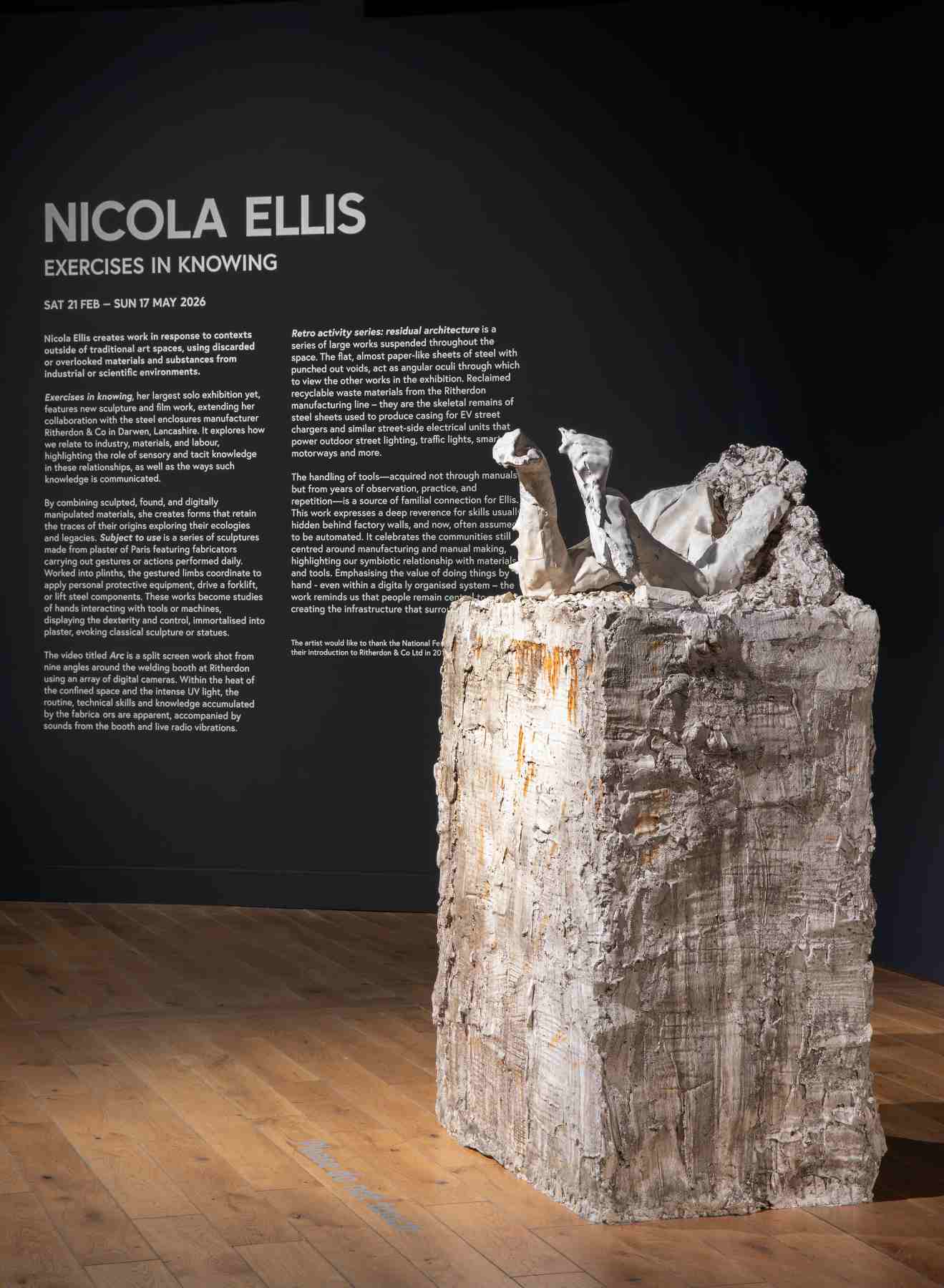
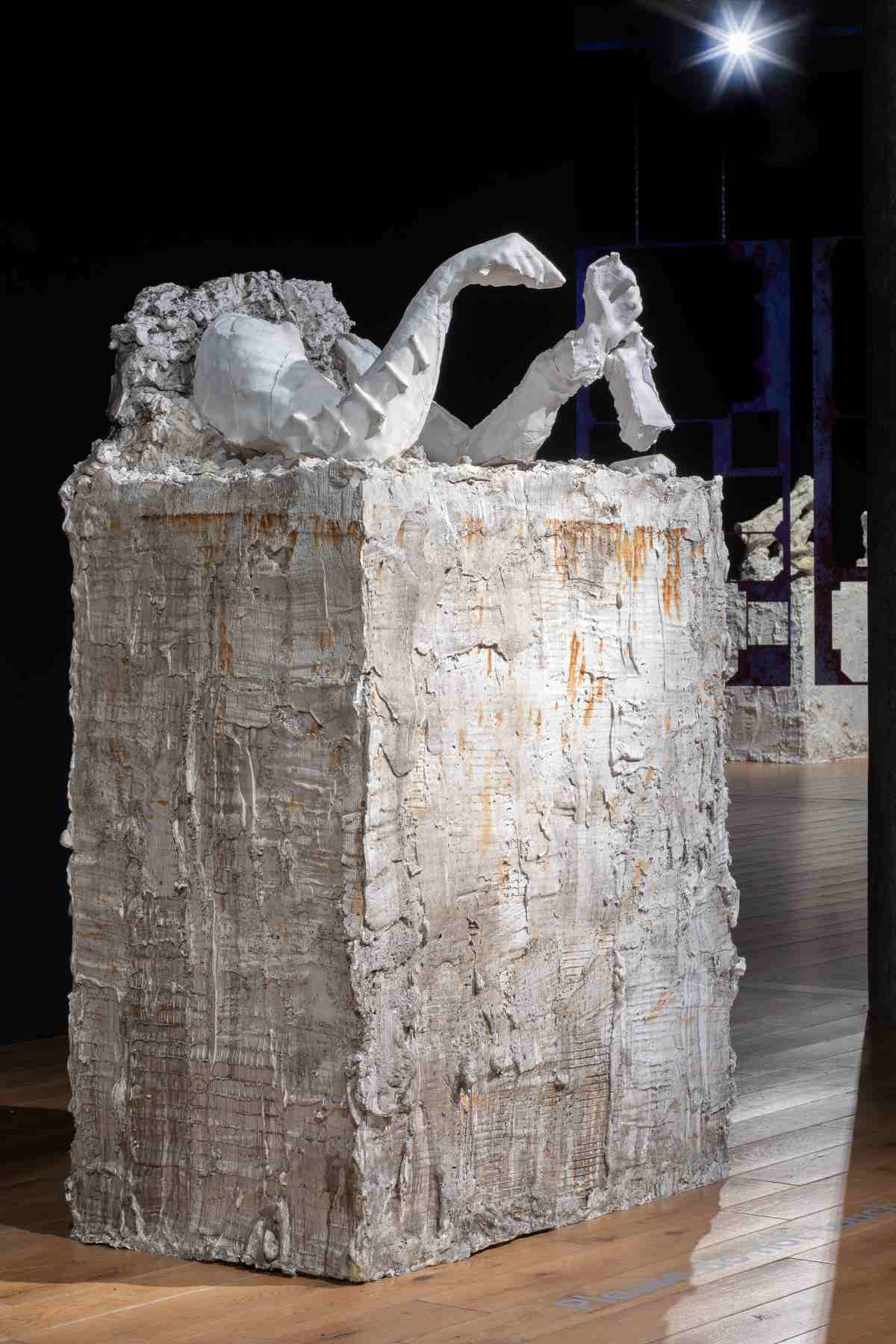
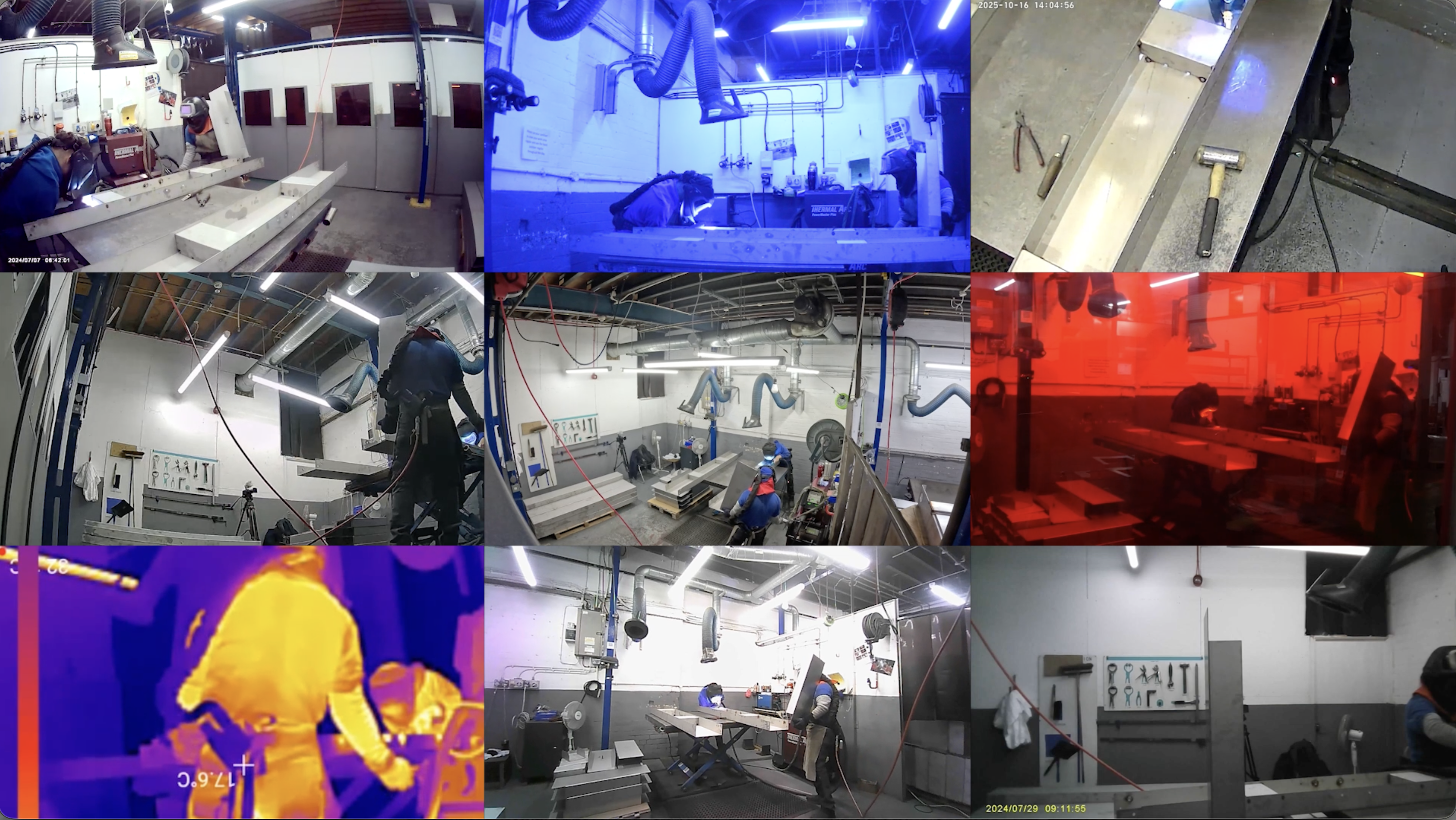
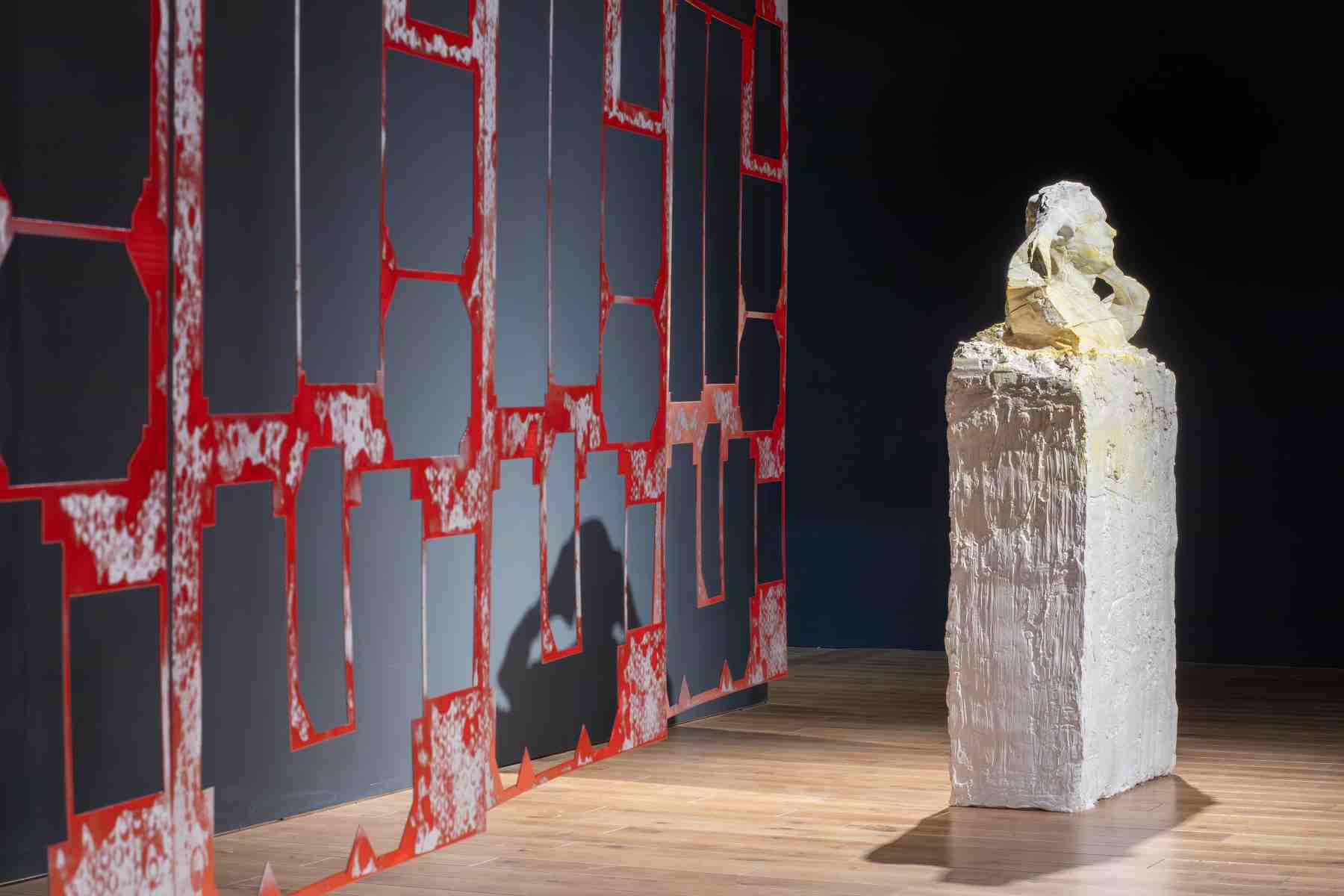
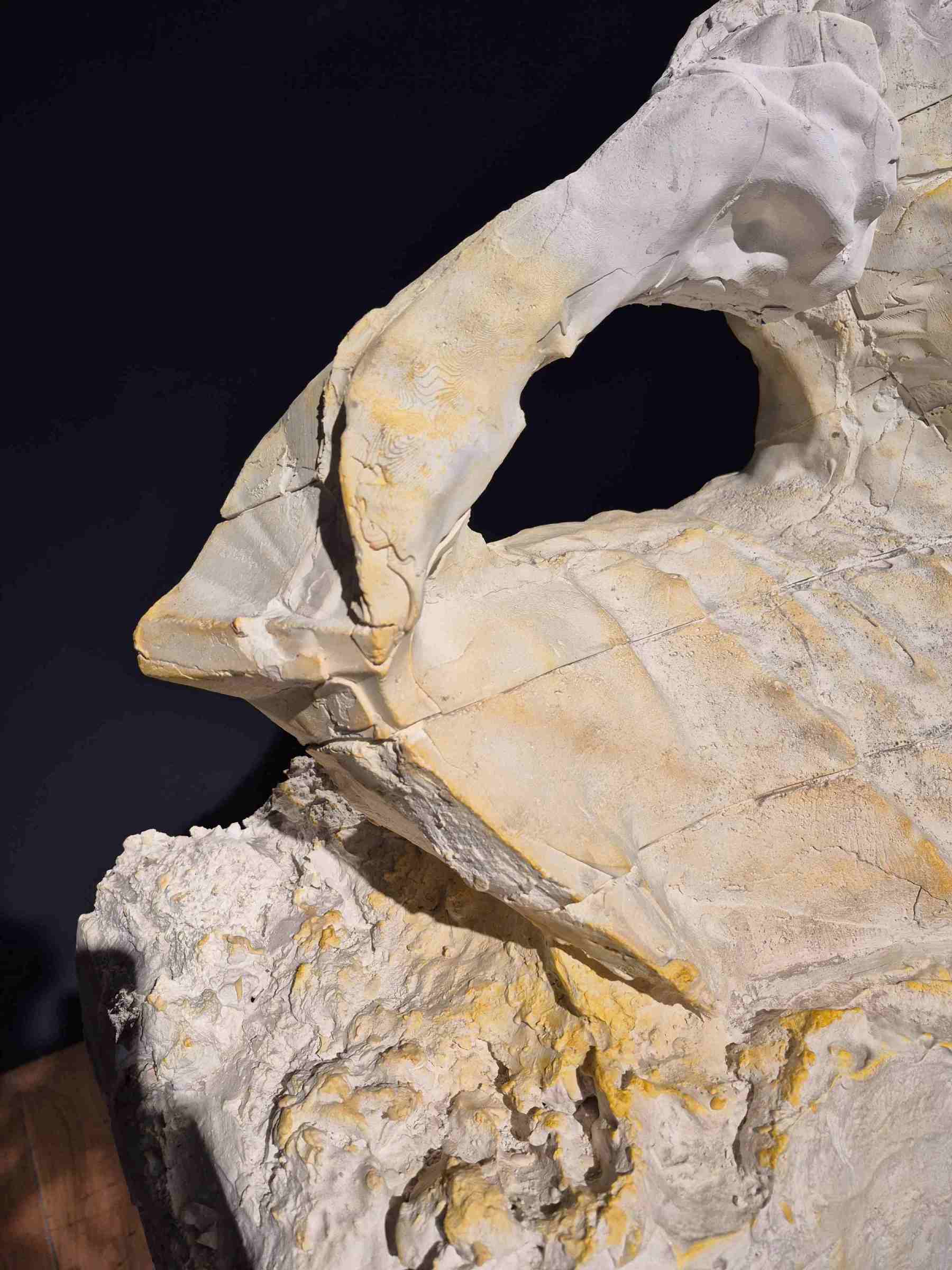
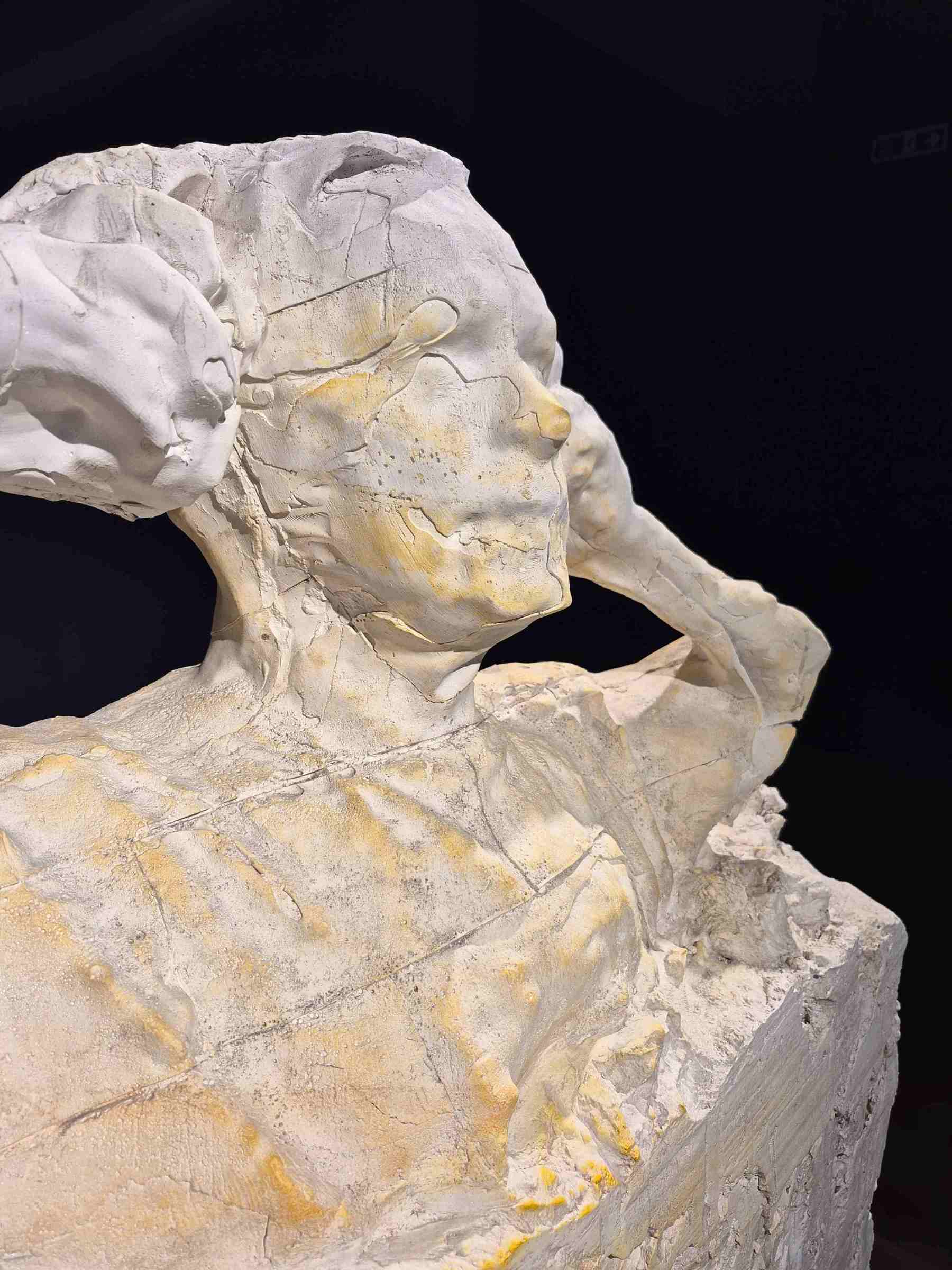
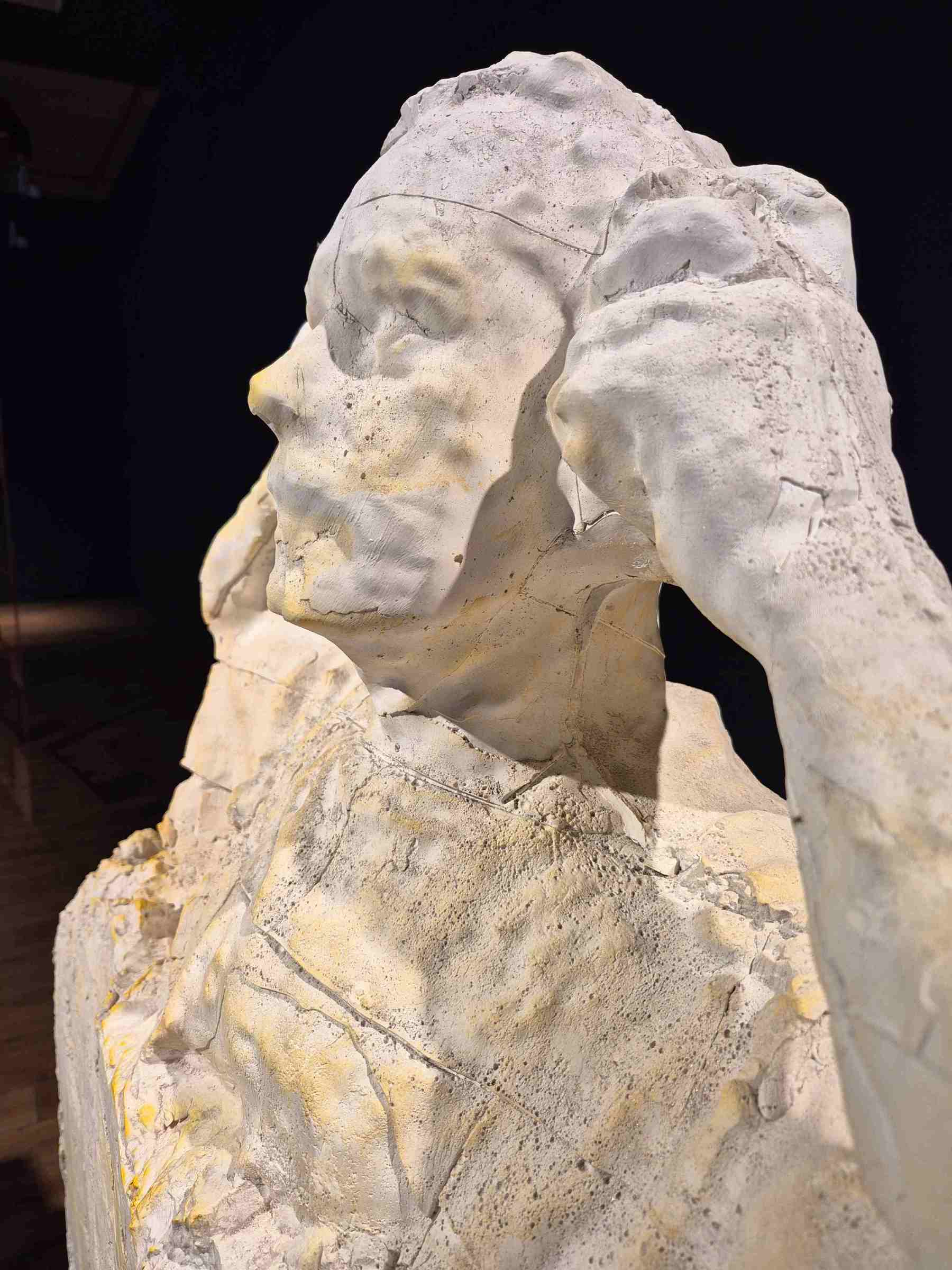
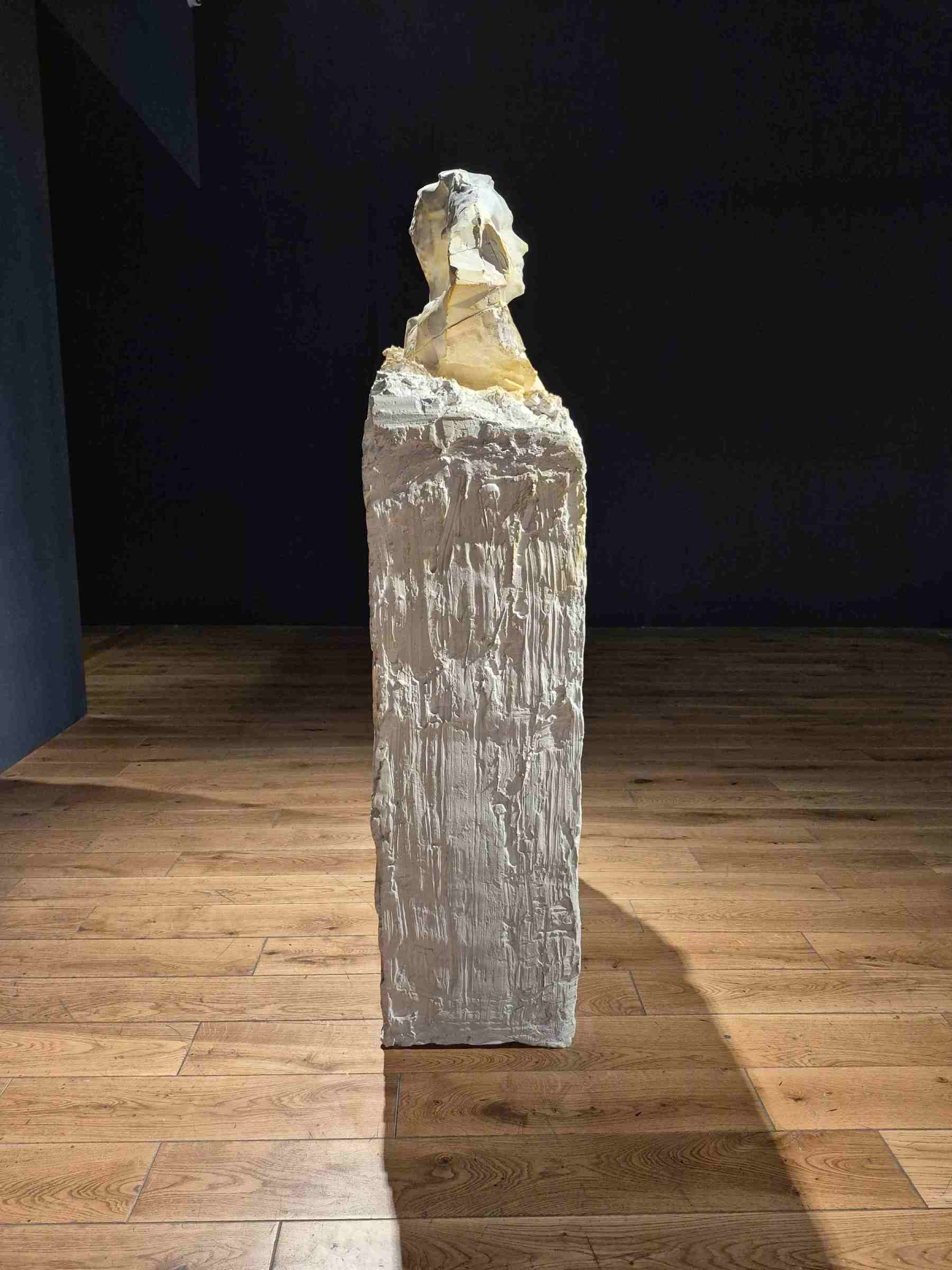
(Arc)<br> Digital video element<br> 45 minutes run time<br> 2026<br><br> Arc is a split-screen video work filmed from nine angles around the welding booth at Ritherdon using an array of digital cameras. Within the intense heat and ultraviolet light of the booth, the routine, technical skill and accumulated knowledge of the fabricators become visible, accompanied by the ambient sounds of machinery and live radio transmissions.<br><br> The work focuses on Tony and Harry welding a batch of larger Ritherdon products, with the same action unfolding simultaneously across nine perspectives. Some of the cameras struggled to withstand the UV exposure, and their visual distortions remain present in the footage. Red and blue frames are filmed through protective welding screens and glasses, while a thermal camera offers readings of the heat signatures generated during the welding process. Motion-responsive cameras struggle to prioritise the welding work alongside peripheral movements — air lines shifting, shadows flickering, sparks reflecting off hard surfaces — giving equal attention to intended action and incidental animation.<br><br> Arc uses unedited raw footage. The visual culture of industry is considered sufficiently compelling in its own right; intervention through editing is unnecessary. (Jan)<br> 136 x 36cm x 86cm<br> 2026<br> Chemically hardened plaster and factory liquids<br><br> (Jan) is one of five plaster elements of the installation in which fabricators perform the everyday gestures of their labour. Emerging from plinth-like forms, these studies of hands and arms interacting with tools, materials and machines capture dexterity, coordination and control — immortalised and translated through moulding and plaster casting, in a manner that evokes classical sculpture and statuary.<br><br> Each sculpture began as a 3D scan made on the Ritherdon factory floor. The lighting conditions — designed for manufacturing rather than digital capture — introduced distortions and glitches into the scans. These artefacts were retained as the files were translated into 3D prints and then cast in plaster. Through each stage of translation, slippages and material irregularities accumulated, embedding the conditions of production into the final works.<br><br> The sculptures are further saturated with liquids sourced directly from the factory environment. In Jan is captured putting on ear defenders and treated with hydraulic oil, rust water and steel residue. Each work becomes both representation and material record — holding within it the physical and chemical atmosphere of the place from which it came. The exhibition explores how we relate to industry, materials and labour — with a focus on sensory and tacit knowledge, and how this understanding is shared, transferred and embodied.

(Jan)<br> 136 x 36cm x 86cm<br> 2026<br> Chemically hardened plaster and factory liquids<br><br> (Jan)<br> 136 x 36cm x 86cm<br> 2026<br> Chemically hardened plaster and factory liquids<br><br> (Jan)<br> 136 x 36cm x 86cm<br> 2026<br> Chemically hardened plaster and factory liquids<br><br> (Jan)<br> 136 x 36cm x 86cm<br> 2026<br> Chemically hardened plaster and factory liquids<br><br> (Jan)<br> 136 x 36cm x 86cm<br> 2026<br> Chemically hardened plaster and factory liquids<br><br> (Jan)<br> 136 x 36cm x 86cm<br> 2026<br> Chemically hardened plaster and factory liquids<br><br> (Jan)<br> 136 x 36cm x 86cm<br> 2026<br> Chemically hardened plaster and factory liquids<br><br> (Jan)<br> 136 x 36cm x 86cm<br> 2026<br> Chemically hardened plaster and factory liquids<br><br>

(Jan)<br> 136 x 36cm x 86cm<br> 2026<br> Chemically hardened plaster and factory liquids<br><br>

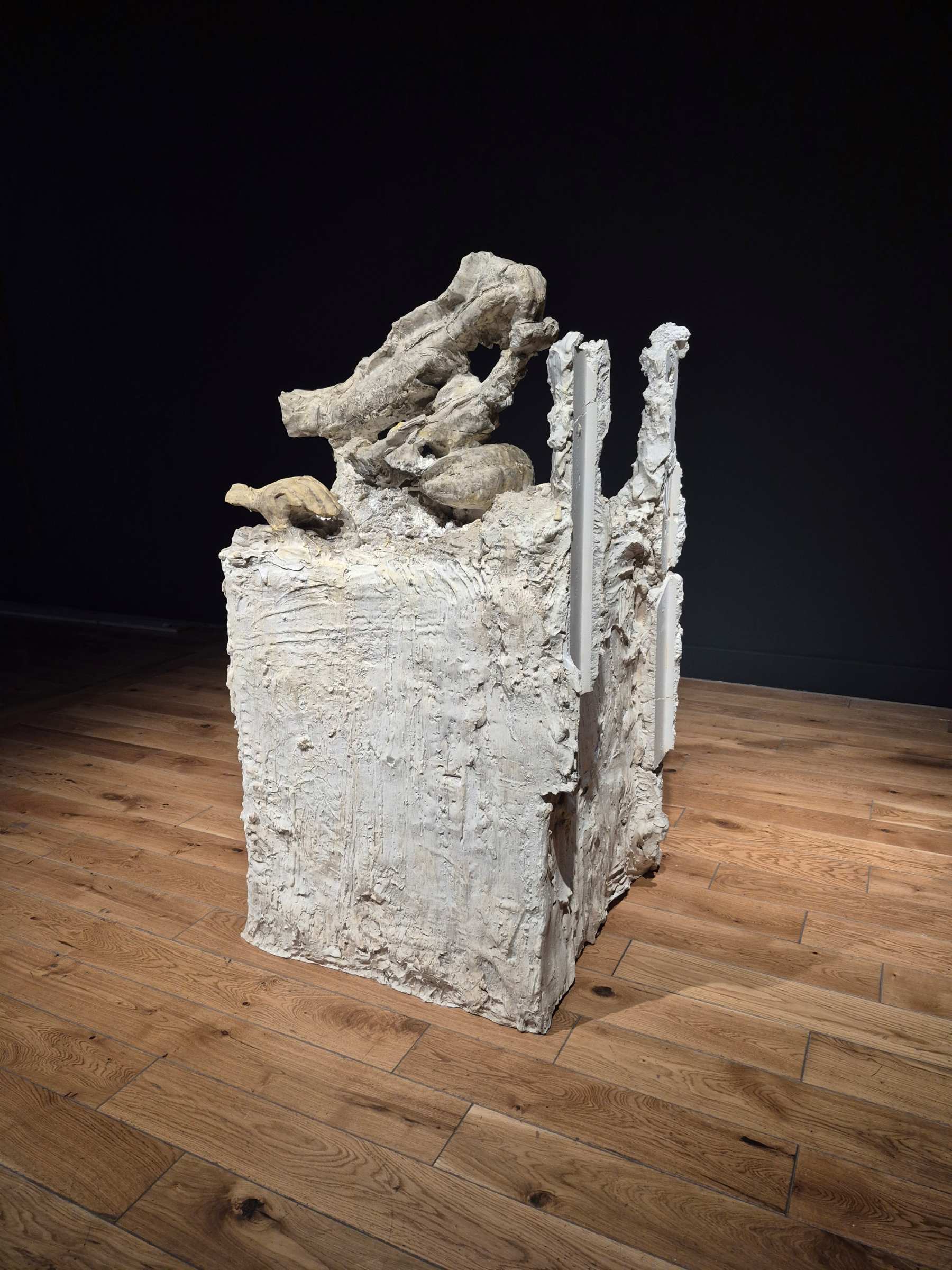
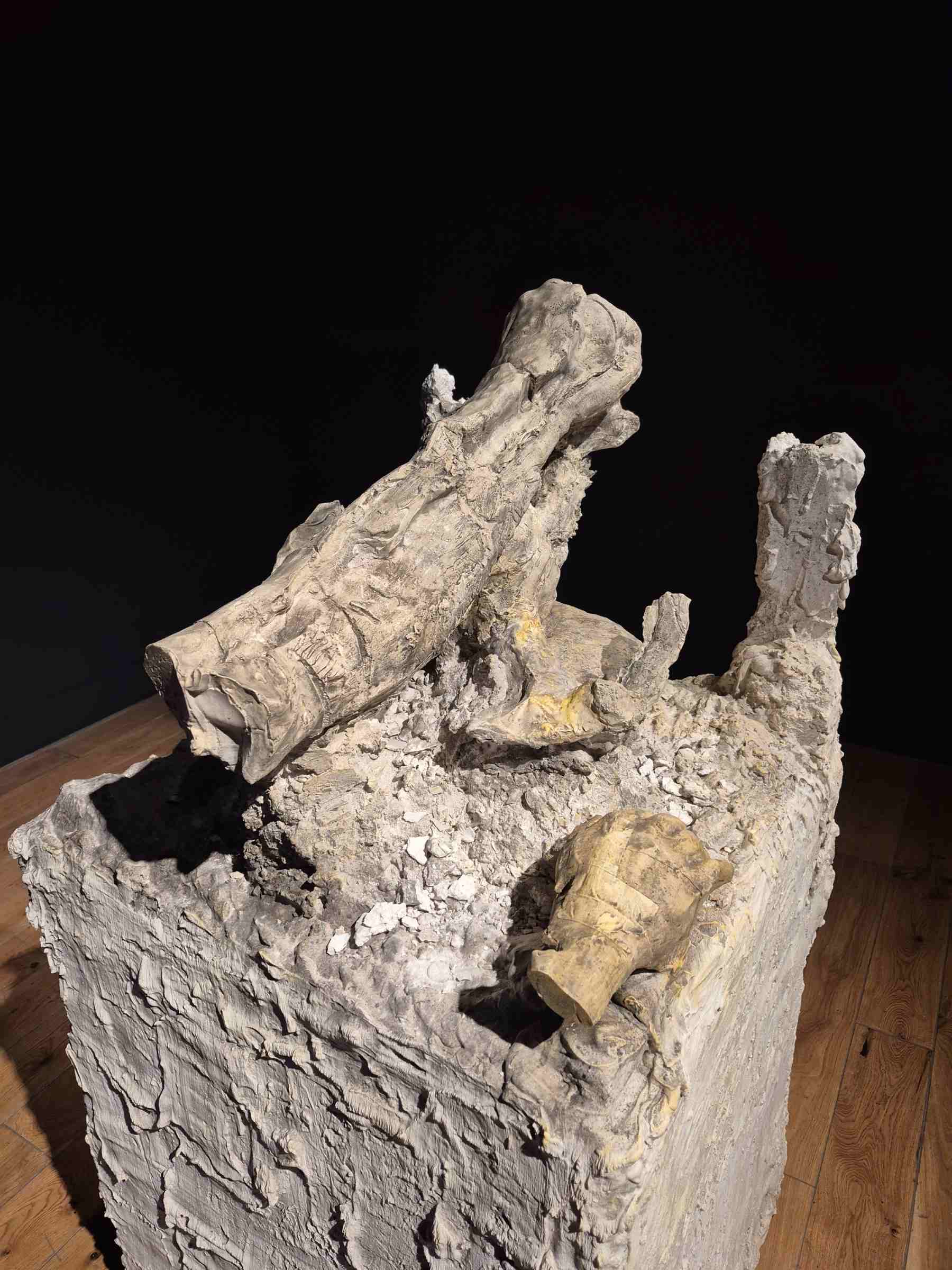
(Pete)<br> Chemically hardened Plaster and various residues from the Ritherdon factory context<br> 2026<br> 160cm tall 86cm deep x 75cm wide

(Pete)<br> Chemically hardened Plaster and various residues from the Ritherdon factory context<br> 2026<br> 160cm tall 86cm deep x 75cm wide (Pete)<br> Chemically hardened Plaster and various residues from the Ritherdon factory context<br> 2026<br> 160cm tall 86cm deep x 75cm wide

(Nic)<br> 120cm tall x 60cm deep x 60cm wide <br> 2026<br> Chemically hardened plaster and factory liquids

Selected Portfolio